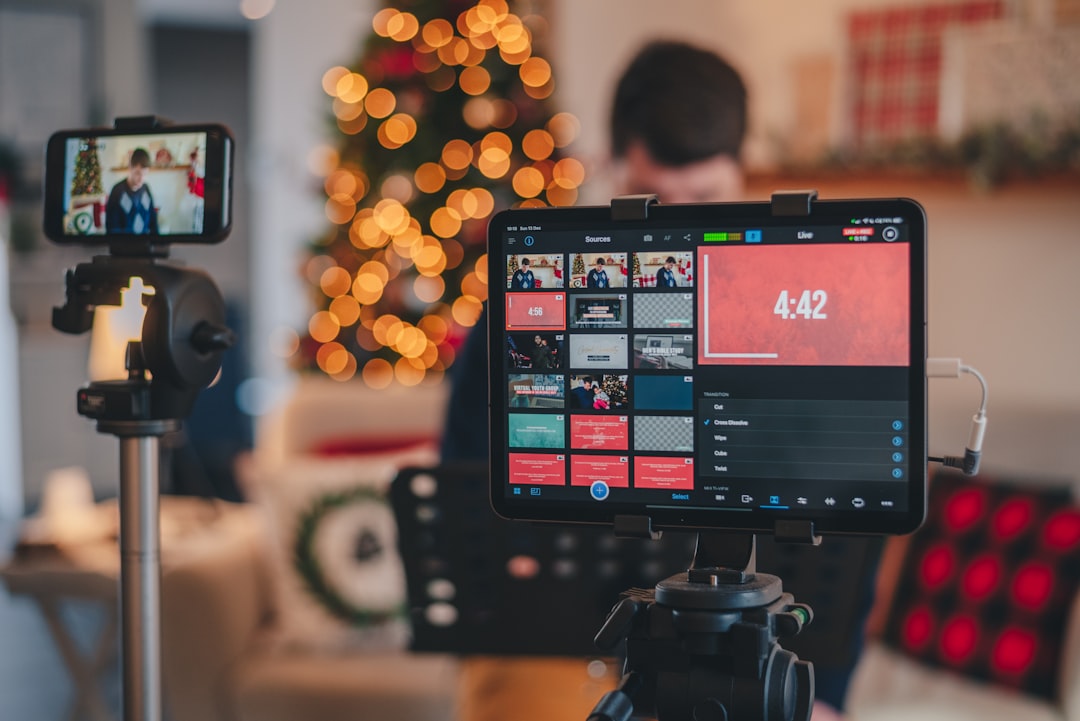
Fan edits can help audiences notice a performance, visual motif, or artist era from a new angle, but responsible publishing requires more than cutting clips together. This guide offers a repeatable workflow for sourcing footage, checking permissions, crediting contributors, labeling transformations, writing discoverable descriptions, and responding to platform or rights-holder concerns without treating a fan edit as an official release.
Overview
A fan edit is a transformed work built from existing material, such as an official music video, live performance, interview, concert recording, dance practice, or fan-shot clip. The transformation might involve a new sequence, commentary, alternate pacing, subtitles, visual effects, a storyline reconstruction, or a comparison between versions. The creative contribution can be substantial, but it does not automatically transfer ownership of the underlying music, video, performance, photography, choreography, or other elements.
That distinction should shape every publishing decision. Credit is a record of contribution and a sign of respect; it is not, by itself, permission. A short excerpt is not automatically cleared simply because it is short, and adding effects does not automatically make the source material available for reuse. The exact legal position can vary by country, platform, license, and purpose, so treat this article as a practical editorial checklist rather than legal advice.
Before editing, define the purpose of the project. Is it commentary, a visual analysis, a fan-made trailer, a translation aid, a performance archive, or an aesthetic remix? A clear purpose helps you decide how much source material is necessary, what transformation is meaningful, and which permissions or licenses may be needed. For analysis and discussion, the edit should make your point easier to understand rather than functioning as a substitute for the original music video.
For a deeper way to describe narrative choices, use the music video breakdown template. If the edit connects clues across releases, a visual theory timeline can provide useful context.
What to track
1. Source identity and provenance
Keep a source log before importing footage. Record the title of the music video or performance, artist, release or event date when known, original uploader, URL, access date, and the precise segment used. Note whether the source appears to be an official upload, licensed archive, broadcast recording, venue capture, or fan recording. Do not present an uncertain source as official.
For live material, record the venue, date, setlist position, camera source, and visible quality limitations. The live performance documentation guide can help structure those notes. Provenance matters both for credit and for deciding whether a clip should be embedded, linked, or left out.
2. Rights and permission status
Separate the elements in your edit: composition, sound recording, video footage, performer image, choreography, graphics, subtitles, photographs, and any third-party material. Ask who may control each element and whether the source includes terms that allow reuse. If permission is needed, request it in writing and save the response with the project files.
When permission is unavailable, reconsider the format. A review with brief illustrative excerpts, a link to the official video, a still-image discussion where permitted, or an original visual response may be more responsible than reposting a large portion of the source. Avoid relying on labels such as “no copyright intended” or “for entertainment purposes”; they do not replace a license or a carefully considered use.
3. The transformation itself
Describe what you changed. Useful notes include the editorial question, selected excerpts, narration or captions added, reordered scenes, speed changes, color treatment, subtitle method, and original graphics. A meaningful edit should offer context, interpretation, or a new creative structure. If the project is only a re-upload with minor cropping or audio changes, label it accurately and consider whether publishing it adds enough value.
Use the music video versions guide when choosing a precise label such as fan edit, commentary edit, fan-made trailer, performance compilation, lyric edit, or comparison video. Clear labels reduce confusion between official music videos, authorized remixes, and community-made work.
4. Credits and discoverability
Credit the artist, songwriters when known, recording and music video titles, director or production team when relevant, performers, original uploader, editors, translators, photographers, and permission contacts. Put essential credits in the description and, where practical, in an end card or pinned comment. Link to official channels and source pages rather than using a vague “all rights belong to the owners” statement.
Write a searchable description that explains the edit without overstating it. Include the artist and song title, the edit type, the source performance or music video, the transformation, and any uncertainty. For example: “Fan-made commentary edit comparing the official video with a live performance; includes brief excerpts for visual analysis and links to the original uploads.” Use relevant terms such as “fan edit copyright and credits,” “music video edit permissions,” or “how to credit music video clips” only when they accurately describe the page.
Accessibility is part of responsible discovery. Add accurate captions, identify speakers where useful, describe important visual information, and flag potentially intense flashing or rapid cuts when appropriate. The accessibility checklist provides a practical review point.
Cadence and checkpoints
Use a checkpoint system instead of treating publication as the end of the process.
- Before editing: define the purpose, map each source, check current platform rules and available creator tools, and identify permission questions.
- Before export: review the edit for unnecessary footage, confirm that captions and credits are accurate, and check that the title does not imply official approval.
- Before publishing: verify links, source descriptions, thumbnail wording, audience settings, and any required disclosure of fan-made status.
- After publishing: monitor comments for corrected credits, watch for broken source links, and save notices or correspondence related to the upload.
- Monthly or quarterly: review high-traffic edits, recurring source types, takedown patterns, permission records, and the platform's current guidance.
Keep a simple rights-and-credit sheet with columns for source, owner or uploader, permission status, excerpt range, transformation, credit text, publication date, and review date. This turns a one-off upload into a manageable archive, especially when you publish several edits around a comeback, concert, award show performance, or fan discussion.
How to interpret changes
Not every claim, correction, or removal request means the same thing. A viewer may identify a missing choreographer credit; an uploader may object to the use of their fan-shot footage; a platform may restrict the audio; or a rights holder may request removal. Record what changed before responding.
If a credit is incomplete, correct it promptly and note the revision. If a source link disappears, replace it only with a reliable, authorized location and update the description. If a rights holder or platform disputes the upload, do not assume that prior availability proves permission. Pause promotion, preserve project records, and use the platform's designated process. If you believe a mistake has been made, respond through that process with a concise explanation of the edit's purpose, sources, and permissions rather than arguing in public comments.
Track patterns across projects. Repeated claims involving full-song audio may indicate that your format should shift toward commentary or shorter illustrative excerpts. Repeated confusion about official status may call for clearer thumbnails, titles, and disclosures. Frequent credit corrections may justify a pre-publication contributor review. These are editorial signals, not guarantees about legal outcomes.
For analysis-led projects, separate observation from speculation. A storyline interpretation or music video easter egg can be presented as a reading, while a production credit or permission claim requires stronger verification. The music video credits guide can help you distinguish confirmed credits from fan discussion.
When to revisit
Revisit this workflow before every new edit and on a monthly or quarterly schedule for an active channel or archive. A review is especially important when a new official music video, artist comeback video, concert clip, or remix changes the available source material; when a platform changes upload, attribution, or dispute tools; when a source is deleted or replaced; or when a rights holder clarifies how its material may be shared.
Use this final checklist before pressing publish:
- Have you identified every major source and recorded where it came from?
- Have you checked permission, license, or platform-use questions rather than relying on a disclaimer?
- Does the edit add commentary, context, structure, or another clear creative purpose?
- Are excerpts limited to what the project needs?
- Are artist, song, production, performance, uploader, editor, and translator credits accurate?
- Does the title and thumbnail clearly identify the work as fan-made?
- Are captions, visual descriptions, content notes, and links ready?
- Do you have a plan for corrections, disputes, or takedown requests?
Responsible fan editing is not about removing creativity from the process. It is about making the creative contribution visible, respecting the people and works behind the source material, and giving viewers enough information to find the official release. Keep the checklist with your editing project, update it when platform practices or permissions change, and return to it before each upload.
For format, attribution, and export details, see the fan music video editing guide.